






Description
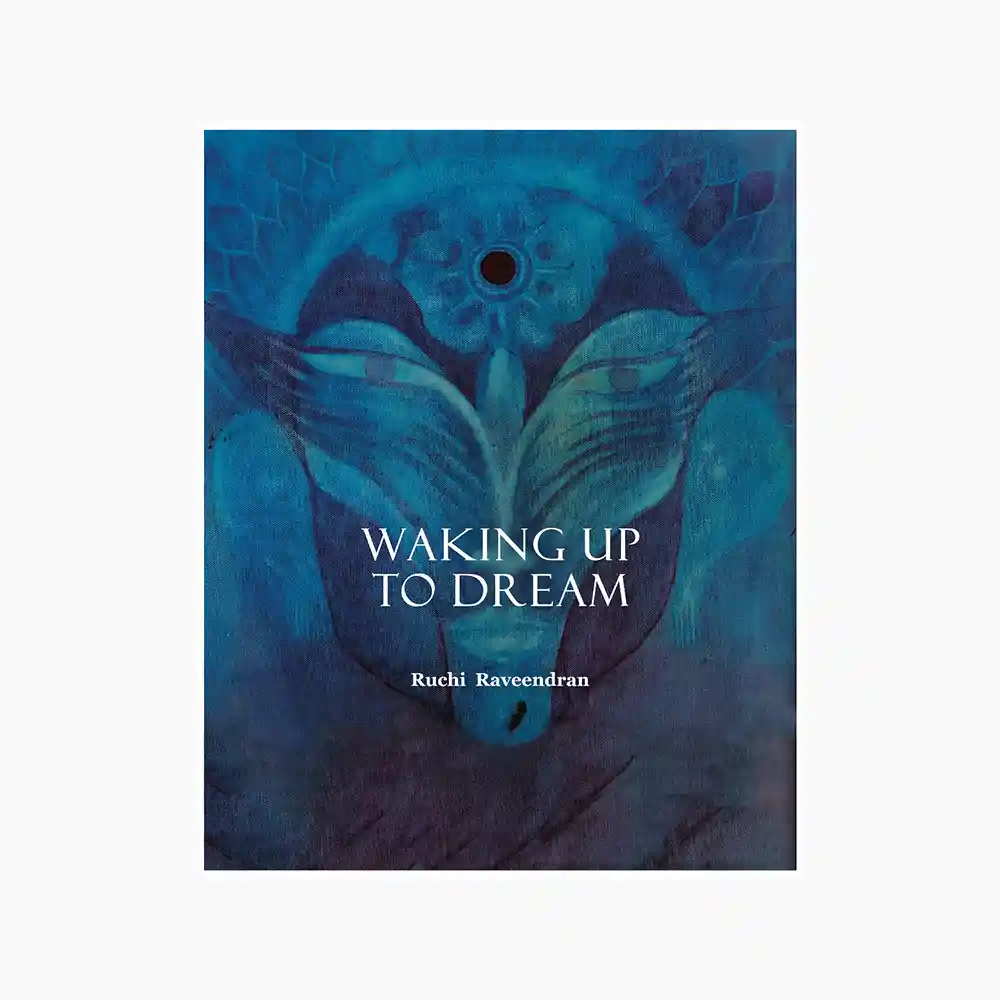
Waking Up to Dream is a multi-sensory experience that transcends conventional storytelling. It is an intricate tapestry of folklore, mythology, and allegory that speaks to the dreamer and seeker in all of us.
Raveendran’s lyrical prose and evocative illustrations transport readers to a realm where reality and dream intertwine. Drawing from Indian mythology, folklore, and modern sensibilities, the book bridges ancient wisdom and contemporary dilemmas. Her characters, though grounded in specific cultural settings, resonate universally through their struggles, revelations, and transformations.
The narrative structure is non-linear and the tone oscillates between mystical reverence and earthy realism. The tales delve into human experiences, cultural traditions, and spiritual quests, reflecting the author’s own multicultural upbringing and artistic sensibilities.
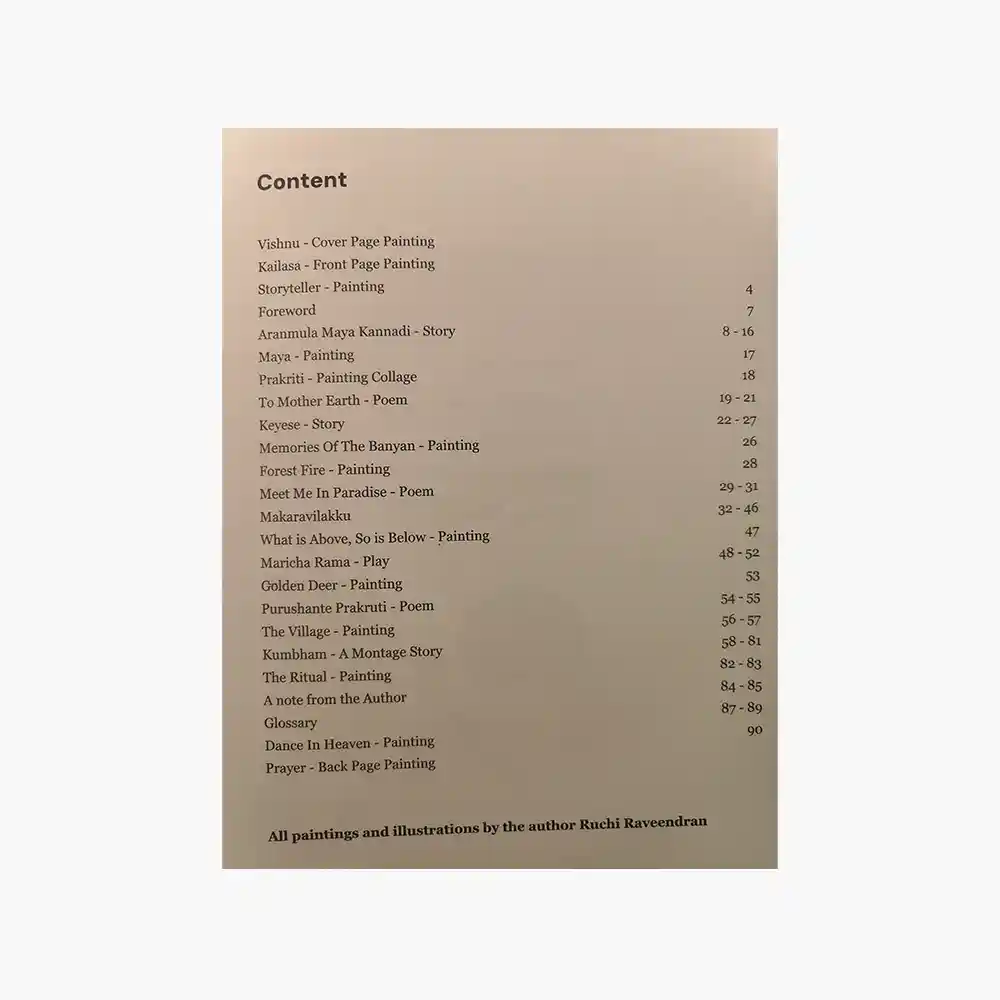
Aranmula Maya Kannadi
The opening story in the book is set in the picturesque village of Aranmula, and revolves around a mystical mirror – the Maya Kannadi – which brings good fortune to anyone who manages to steal it. The desire to possess this coveted object, which showers its owner with wealth and prosperity, leads to an elaborate game of thief-and-police among the villagers.
Keyese
Keyese is an enigmatic figure who integrates seamlessly into a village community and works tirelessly to help wherever he can. Over time, Keyese quietly fades away. By the end of the story we realise Keyese is our consciousness as Raveendran quietly points out, “The more they looked for him, the more elusive he seemed to get.”
Maricha Rama (The Golden Deer)
This dramatic play reimagines the story of Maricha, a mythical demon cursed to transform into a golden deer. His dialogue with Rama, the epitome of righteousness, examines the duality of purpose and freedom.
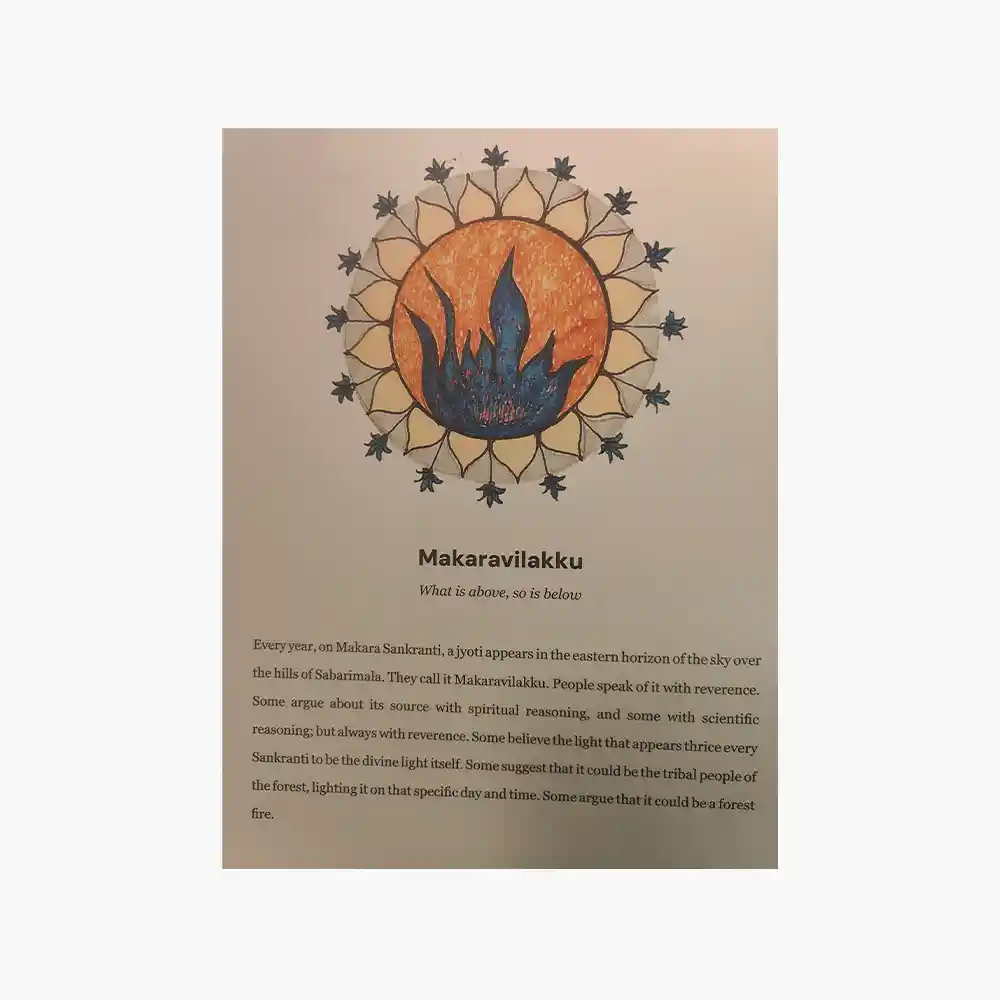
Makaravilakku (The Sacred Light)
The story follows Venu, a curious young boy undertaking the arduous pilgrimage to Sabarimala. Venu’s journey is less about reaching the sacred site and more about his internal evolution.
The Kumbham
This allegorical tale portrays a utopian village where there is collective ownership and people live simple but fulfilling lives. At the center of the community is the Kumbham, a sacred pot filled with endless stories. The arrival of an outsider—a sailor—makes them pause and dwell on the balance between curiosity with contentment.
The narrative of Waking Up to Dream is a subtle critique of materialism and offers an enticing glimpse into magical thinking. Raveendran’s stories emphasize the interconnectedness of individuals within a community and humanity’s bond with nature. Through metaphors like the Maya Kannadi and the Kumbham, she advocates collective well-being over individual gain.
The book is interspersed with poems like “To Mother Earth” and “Meet Me in Paradise,” which celebrate the beauty of nature and the cosmos. These verses, alongside the author’s paintings, enrich the reader’s sensory experience, transforming the text into a meditative and immersive journey.
The narrative’s philosophical depth is its greatest strength. The characters often embark on journeys, both literal and metaphorical, symbolizing the universal pursuit of meaning. Her illustrations complement the text beautifully, drawing readers deeper into the dream-like world she creates. At the same time, its vivid descriptions and playful storytelling ensure that it is a tremendously enjoyable read for all.
Reviews
There are no reviews yet.